Key checks before your Hatta mountain trip
Planning a day trip to the Hatta mountain area means trading the city skyline for rocky peaks, turquoise reservoirs, and quiet wadis. The drive from Dubai takes roughly ninety minutes, but the real preparation starts long before you leave the garage. A successful visit depends on understanding what the terrain demands, what the weather can throw at you, and what facilities you will find when you arrive. Below are the main points to run through before you set off.
Vehicle readiness for the mountain roads
The road to Hatta is paved and well-maintained, but it climbs steadily and includes sharp bends, especially after the turn-off from the main E44 highway. Your car should be in good mechanical shape. Check your tyre pressure and tread depth before you go. Hot asphalt and long downhill sections put extra strain on brakes and cooling systems. If your vehicle has been showing any warning lights for the engine, transmission, or brakes, get them checked before the trip. A breakdown on a mountain road is inconvenient and can be expensive to recover.
Fuel stations are scarce once you leave the outskirts of Dubai. Fill your tank before you head out. It is also wise to carry a spare can of water for the radiator if you drive an older model, and to top up your windscreen washer fluid because dust and insect smears reduce visibility in the low-angle sun. A basic emergency kit - reflective vest, warning triangle, tyre inflator, and a charged power bank for your phone - adds little weight but can save a long wait if something goes wrong.
Weather and timing
Hatta sits at a higher elevation than Dubai, which means temperatures can be several degrees cooler, especially in the winter months. In summer, the heat is still intense, but the dry air and occasional breeze make it more bearable than the coast. Check the forecast for both temperature and wind. Strong winds can make kayaking on Hatta Dam uncomfortable and kick up dust that reduces visibility on the trails.
The best time to visit is between November and March, when daytime highs sit in the mid-twenties Celsius. If you go in summer, plan your activities for early morning or late afternoon and carry plenty of water. Rain is rare, but when it falls it can cause flash flooding in the wadis. Never drive through flowing water on the road, and avoid parking in dry riverbeds if storms are forecast.
What to wear and pack
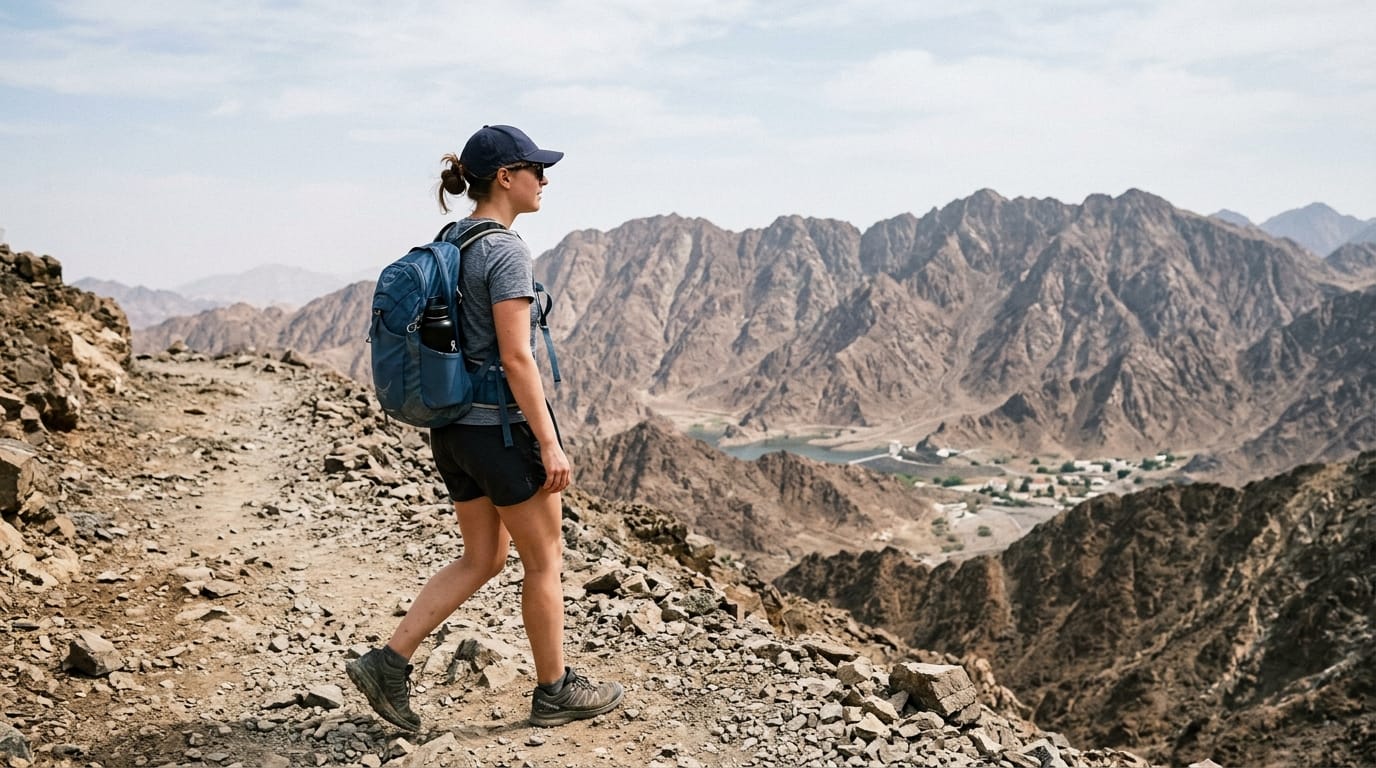
Comfortable, breathable clothing is essential. Light colours reflect heat, and long sleeves protect against the sun. Sturdy closed-toe shoes are a must if you plan to walk any of the hiking trails around the Hatta rock pools or the Hatta Mountain Bike Trail. The ground is uneven, and loose stones are common. A wide-brimmed hat and sunglasses cut glare and reduce the risk of heat exhaustion.
For water activities like Hatta Kayak, a change of clothes and a waterproof bag for your phone and wallet are useful. Sunscreen with a high SPF should be applied before you leave and reapplied during the day, even if the sky is overcast. UV levels in the mountains can be deceptive.
Entry fees and permits
Access to the Hatta Wadi Hub is free, but some attractions within the area charge an entry fee. The kayaking centre, for instance, requires a booking and a per-person fee. The Hatta Heritage Village and Hatta Fort are open to the public without charge, but opening hours can vary on public holidays. Check the official website or social media pages for the attraction you plan to visit before you drive out. Some facilities require a reservation in advance, especially on weekends and during school holidays. No cash is accepted at some outlets, so carry a credit or debit card as a backup.
For detailed information on opening times, activity availability, and any temporary closures, the site hattamountaintourdubai.com provides up-to-date listings and practical advice from local operators who know the area well.
Food and water supplies
Hatta town has a few small supermarkets and a handful of restaurants, but the selection is limited compared to Dubai. If you have specific dietary requirements or want a full meal, bring your own food. A cool box with sandwiches, fruit, and plenty of bottled water is the most reliable option. The mountain air and physical activity will make you thirstier than you expect. A good rule is to carry at least two litres of water per person for a full day out.
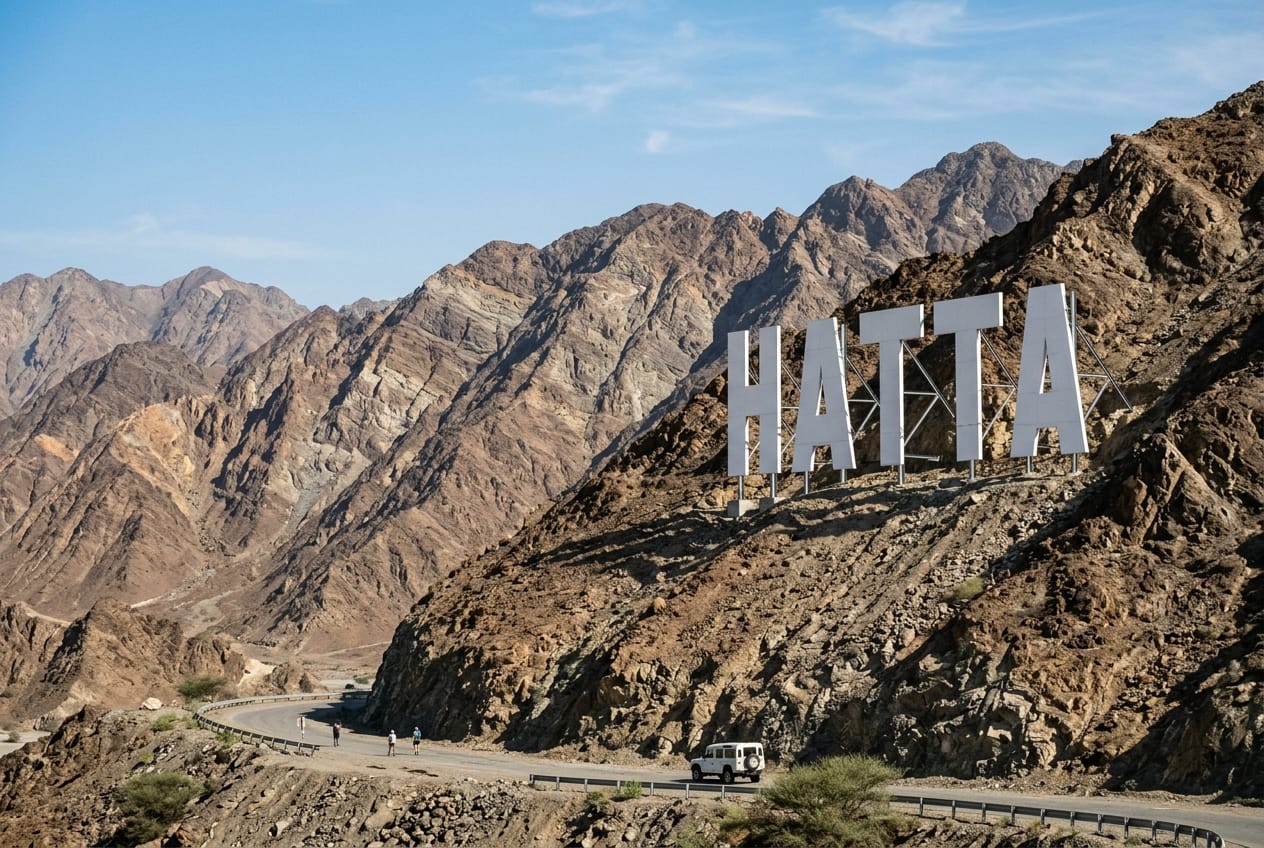
Barbecue facilities are available in designated picnic areas at Hatta Hill Park. If you plan to grill, bring your own charcoal, lighter, and utensils. Leave no trace: take all rubbish back with you, as bins fill quickly on busy days.
Mobile reception and navigation
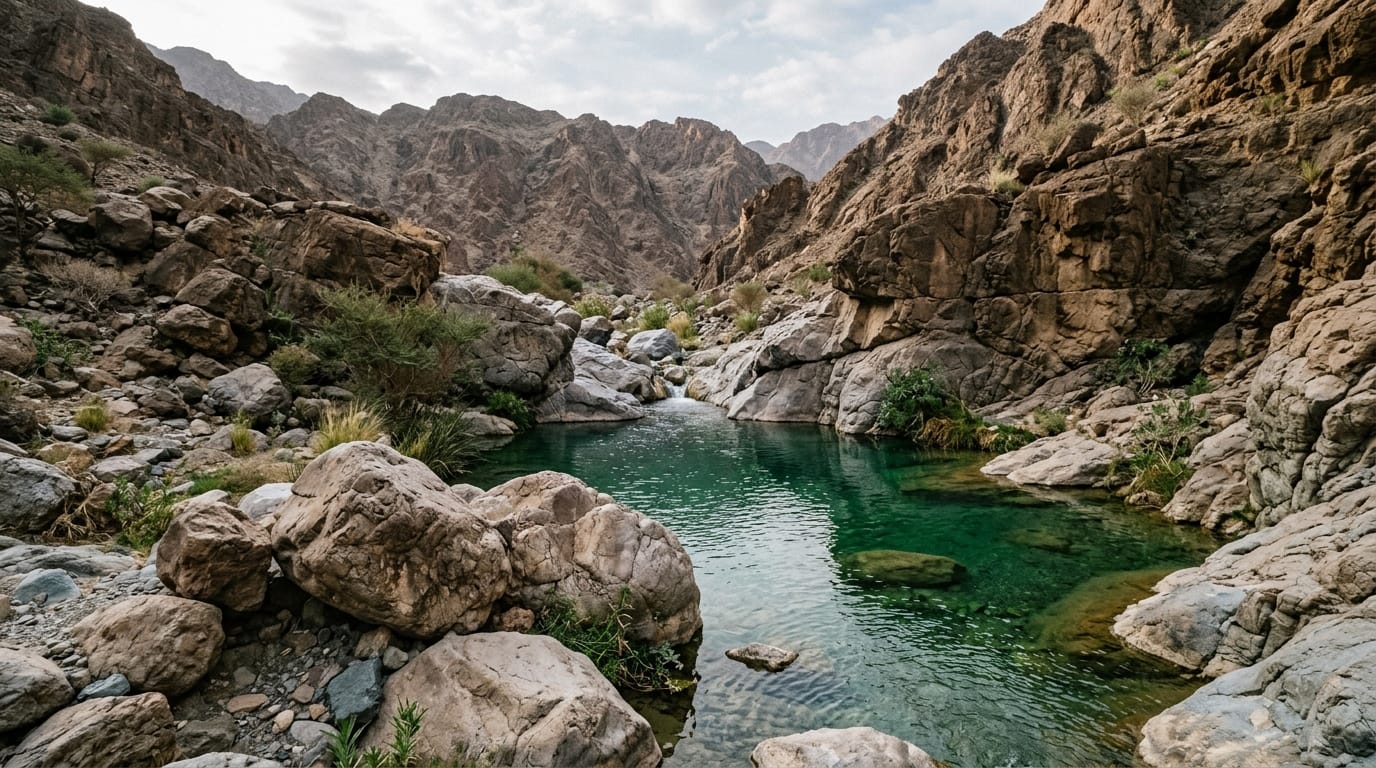
Mobile phone coverage along the main roads is generally good, but in the deeper wadis and around the Hatta rock pools the signal can drop. Download offline maps of the area before you leave. Share your itinerary with someone back home. If you are venturing off the marked trails, a personal locator beacon or a satellite messenger is a sensible addition, though not essential for a day trip to the main attractions.
The roads are well signposted, but a GPS app on your phone will help you find the exact turn-offs. The route is straightforward: take the E44 towards Oman, follow the signs for Hatta, and you will arrive at the Hatta Wadi Hub car park. Do not rely solely on your phone battery; a car charger or a paper map as a backup is cheap insurance.
Respect for the environment and local rules
The Hatta region is a protected area in parts, and the local authorities enforce rules against littering, off-road driving in sensitive zones, and disturbing wildlife. Stick to designated paths and parking areas. The Hatta Mountain Bike Trail is shared with hikers, so cyclists should announce themselves and keep their speed under control on blind corners. Swimming is allowed in Hatta Dam only in designated spots and under supervision. The water can be cold even in summer, and sudden depth changes make it risky for weak swimmers.
If you are unsure about any regulation, ask at the Hatta Wadi Hub information desk. The staff there are helpful and will point you to the right areas for your planned activity. For a comprehensive overview of the region's guidelines and recommended itineraries, hattamountaintourdubai.com is a practical resource that covers everything from parking rules to the best times for photography.
Health and safety considerations
The dry heat and physical exertion can lead to dehydration and heat cramps. Pace yourself, take breaks in the shade, and drink water regularly even if you do not feel thirsty. A basic first-aid kit with plasters, antiseptic wipes, pain relievers, and blister treatment is worth carrying. If you have a medical condition such as asthma or a heart condition, consult your doctor before undertaking strenuous activities at altitude. The nearest hospital is in the town of Hatta, but serious cases are transferred to Dubai, which takes about an hour by ambulance.
Insect repellent is advisable during the warmer months, especially around the dam and the wadis where mosquitoes breed. Check for ticks after walking through long grass. They are not common in the area but can be present after rains.
Plan your return journey with enough daylight. The mountain roads are not lit in many sections, and driving them after dark requires full concentration. Animals such as goats and camels sometimes wander onto the road, so reduce your speed once the sun goes down.